

No one knows my deepest fears, they take the shape of nothingness.
~B M
Fear is a powerful emotion, it’s what keeps us alive. Fear is useful in small doses and for short periods of time, where it can encourage the body to prepare for fight, flight or freeze. However, over time, the stress that comes along with fear has a negative effect on the mind and body.
For me, paranoia begins with a trigger – a man touching me without my consent or someone yelling loudly, to name a few – and evolves into a fear so petrifying the entire world seems like a dangerous place with little room for safety. This worldview was helpful when I was in a situation where I couldn’t leave my abuser(s). The people that were supposed to care for me inflicted more pain than anyone else, leaving me feeling alone and lost. The way I viewed the world was to see it through darkness. Every neutral face became hostile, along with every positive face. I only register negativity as I constantly scan my surroundings for danger.
Hypervigilance is a term meant to describe the constant scanning for danger or threat that people who are used to unsafe environments experience. It is often used to describe the experience of war veterans and people who experienced trauma. However, in safe environments, this hyper vigilance can persist, turning in paranoid thoughts and feelings about others and the world around us.
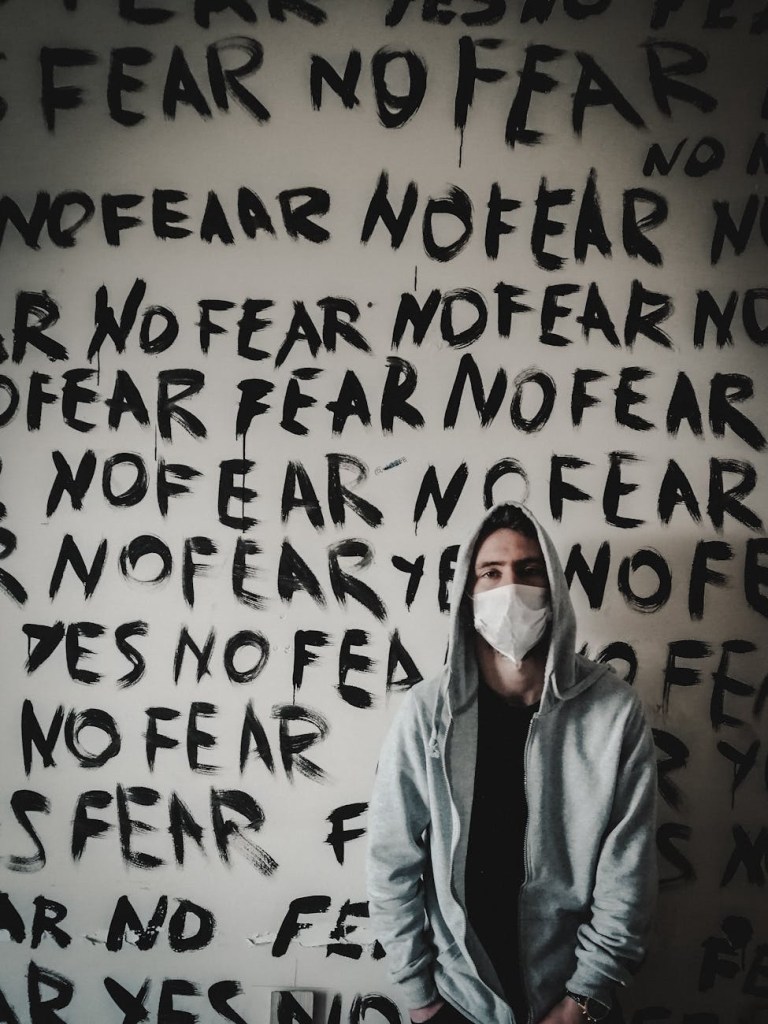
Paranoia itself is not a mental illness but a symptom of it. Some common disorders that experience paranoia and other psychosis (a loss of touch with reality) include severe depression, bipolar disorder and schizophrenia, and can be treated with medication, typically antipsychotics. These medications work by reducing the action of the excitatory neurotransmitter, dopamine, in brain areas critical for mood and decision making.
What shape do your fears take when you’re alone with your thoughts?

What are your thoughts? We want to know!