


As an autistic individual who was diagnosed late in life, my self talk often consisted of derogatory comments throughout the day. Comments like “why are you like this” “why aren’t I good enough”? “You’re so stupid”, played on a reel through my mind all the time.
Immediately, as I recall these thoughts, I am drawn into a memory of myself as a child, sitting at a large round table in a school cafeteria. I was sitting with a group of girls I had befriended
We had all gotten pizza for lunch and after watching the leader of our group, a girl named Brianna, smother her pizza in ranch dressing, I did the same without really thinking about it. Brianna, however was livid; telling me that I didn’t have to copy everything she did. I felt confused and ashamed and I didn’t even know why.
Science tidbit: Mirror neurons are responsible for autistic individuals’ propensity to mimic behavior or repeat words they hear (echolalia)
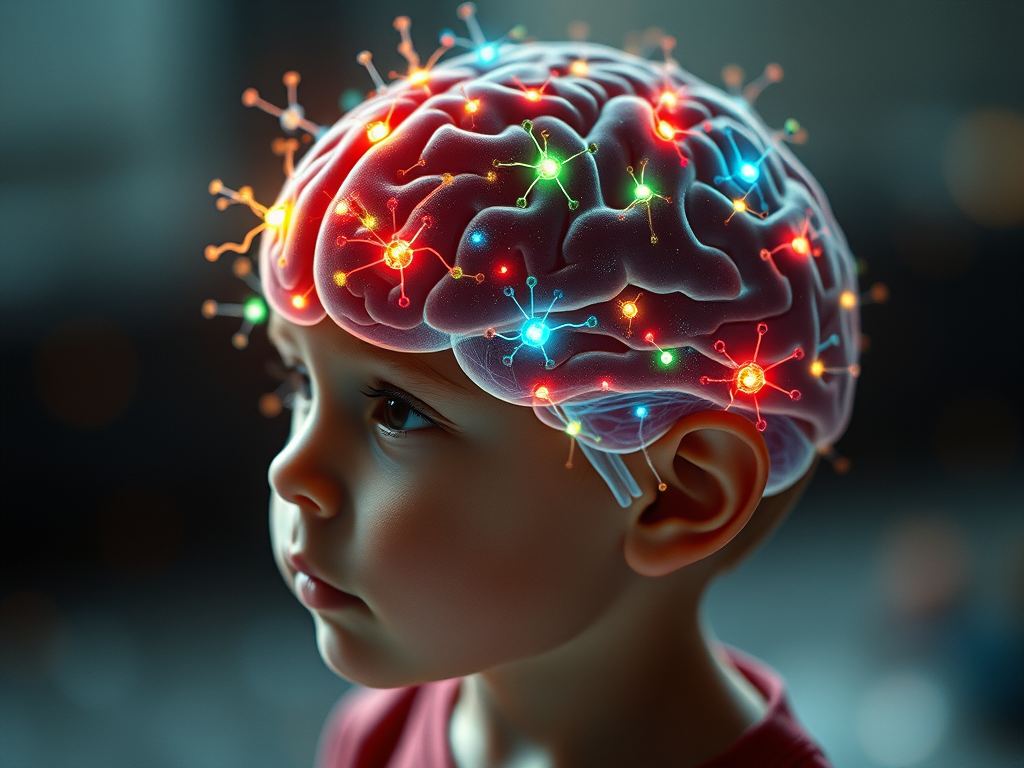
Nurturing Happiness: A Guide to Supporting Autistic Individuals Throughout Life
—
Autism, a neurological variation in multi-sensory processing, brings unique perspectives, strengths, and challenges to individuals. Some challenges include communication difficulties, sensory and emotional processing difficulties and social difficulties.
Nurturing happiness in autistic children who in turn become happy adults involves understanding, acceptance, and tailored support. Here are some key strategies to consider based on research with individuals across the spectrum, and examples from my own life:
1. Embrace Neurodiversity: Celebrate the diverse ways of thinking and being. Recognize that autism is not a defect to be fixed but a different way of experiencing the world. – when I was 5 years old, my preferred way to spend time recreationally was to spend the time alone in quiet if possible. However, my preschool teachers assumed I played alone and was nonverbal with them because I didn’t understand English. This was not true, by this time I knew English, my native tongue, Dagaare, and some Mandarin from a babysitter. They suggested my parents speak more English at home and unfortunately, they stopped speaking our native tongue altogether. To this day, I still can’t speak it.
2. Establish Clear Communication: Communication styles vary widely among autistic individuals. Utilize visual aids, social stories, and clear, concise language to facilitate understanding. – I do much better when things are visual. This is why I prefer emails to calls and audiovisuals to block text.

3. Create Predictable Routines: Establishing routines provides stability and reduces anxiety. Predictability helps autistic individuals feel secure and in control of their environment.
4. Foster Sensory-Friendly Environments: Sensory sensitivities are common among autistic individuals. I create environments that accommodate my sensory needs, like finding quiet spaces, using soft lighting (NOT fluorescent- those give me migraines), and using sensory tools like warm, soft blankets and clothes.

5. Encourage Special Interests: Embrace and encourage autistic individuals’ special interests. These interests can provide a sense of purpose, fulfillment, and joy. Telling an autistic individual that they talk too much is hurtful and suggests you’re not listening to us. At least we have something to talk about other than the game, the weather or petty gossip 🤷🏾♀️
6. Support Social Skills Development: Social interactions can be challenging for autistic individuals, for me because conversations are fraught with sarcasm that I don’t realize is sarcasm. Offer social skills training, peer support groups, and opportunities for structured socialization to build confidence and connection.

7. Practice Patience and Empathy: Understand that autistic individuals may process information differently and at their own pace. Patience, empathy, and acceptance are essential in supporting their journey.
8. Promote Self-Advocacy: Encourage autistic individuals to advocate for their needs and preferences. I am empowered through self-awareness. By being mindful of my body and mind I can communicate to others what my needs or preferences might be for that moment and in the future.
9. Provide Opportunities for Independence: Offer opportunities for autonomy and decision-making to foster independence and self-confidence. Start with small tasks and gradually increase responsibilities over time. This is especially true for younger children
10. Cultivate a Supportive Community: Autistic individuals need a supportive network of family, friends, educators, and professionals who understand and respect their unique needs. My network consists of my brain doctor, my primary care physician, my therapist and my family and friends. People who are aware that I process information differently.

11. Continuously Learn and Adapt: Be open to learning from autistic individuals themselves and adapting strategies to meet their evolving needs. This is a difficult one because not everyone (in fact most people) do not have the patience to learn and adapt for another person. I experienced this socially and, in the workplace, which is why I have been bullied and discriminated against. I am still in search of the community that can support my sensory needs, my quirks, and my special interests
12. Prioritize Mental Health and Wellbeing: Offer access to mental health services, coping strategies, and self-care practices. Finally, with a network of providers that are experts in their field supporting me, I feel comfortable being myself, having the needs I have or my interests.
By embracing neurodiversity, fostering understanding, and providing tailored support, we can create environments where autistic individuals can thrive and experience happiness at every stage of life.
—
This blog post aims to provide guidance and support to families, caregivers, educators, and communities striving to create inclusive and fulfilling lives for autistic individuals. Let’s work together to build a world where everyone, regardless of neurology, can live happily and authentically.

What are your thoughts? We want to know!