

What’s the one luxury you can’t live without?

I learned long ago just how much sleep is both a necessity and a luxury, depending on whether the sleep is restful or not. Necessary sleep is the bare minimum I require to function. Luxurious sleep is untroubled, deep and restful – often difficult for me to come by.
Sleep is broadly categorized into two main types: non-rapid eye movement (NREM) sleep and rapid eye movement (REM) sleep. Each type has distinct characteristics and functions.
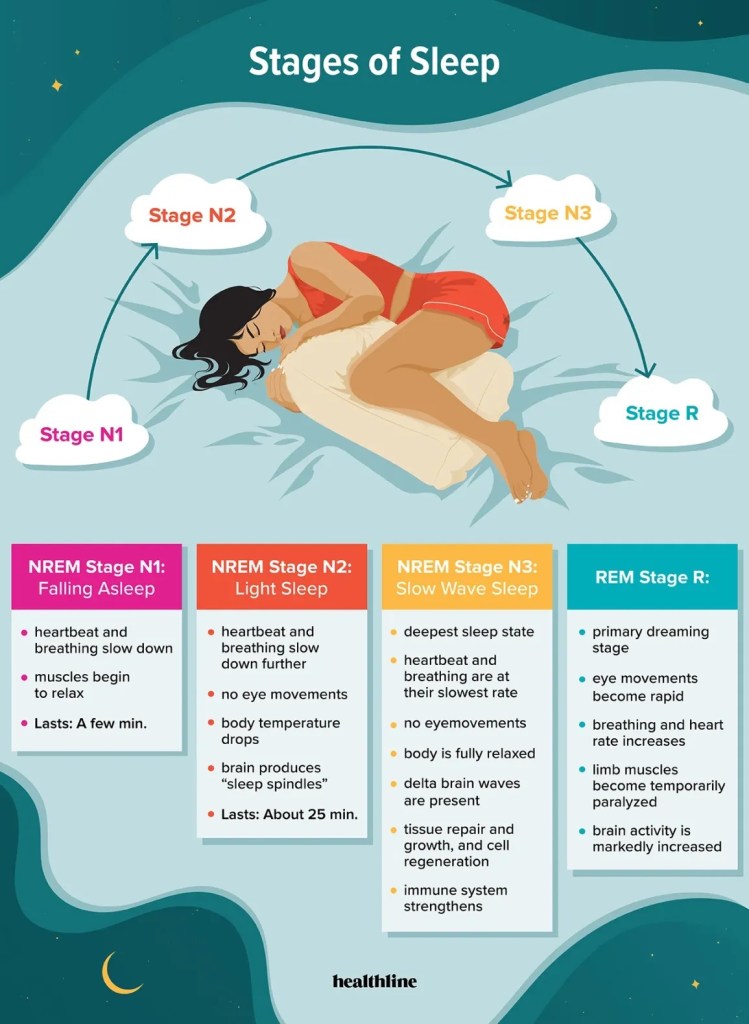
1. Non-Rapid Eye Movement (NREM) Sleep:
- Stage 1: Light sleep, a transition period between wakefulness and sleep stage, lasts several minutes, and during this time, heartbeat, breathing, and eye movements slow, and muscles relax.
- Stage 2: A deeper form of light sleep. Heart rate and breathing slow further, and body temperature drops. This stage is characterized by sleep spindles and K-complexes on an EEG (electroencephalogram).
- Stage 3: Deep or slow-wave sleep is crucial for restorative processes such as tissue repair and growth, immune function, and energy restoration. It’s harder to wake someone up during this stage, and if awakened, they may feel disoriented.
2. Rapid Eye Movement (REM) Sleep:
- This stage is characterized by rapid eye movements, more vivid dreams, and increased brain activity. During REM sleep, the body experiences temporary muscle paralysis (atonia) to prevent acting out dreams. REM sleep is important for cognitive functions such as memory consolidation, learning, and mood regulation.

These stages cycle throughout the night, typically repeating every 90 minutes. The proportion of time spent in each stage varies throughout the night and with other factors such as age or sleep conditions.
As an autistic individual living with bipolar disorder, I have always found good sleep difficult to come by, and this is for a number of reasons: my body temperature can’t regulate itself and I get too warm, I’m itchy, I’m easily awoken by sounds, I have nightmares from past traumas…honestly the list goes on. Without medication, I am unable to get quality sleep on my own.
I take 200 mg of Quetiapine as needed at night as a maintenance therapy. It helps me lower my body temperature and stops my pruritus (skin itching) so that I can sleep. Otherwise, consistent lack of sleep can trigger manic episodes.
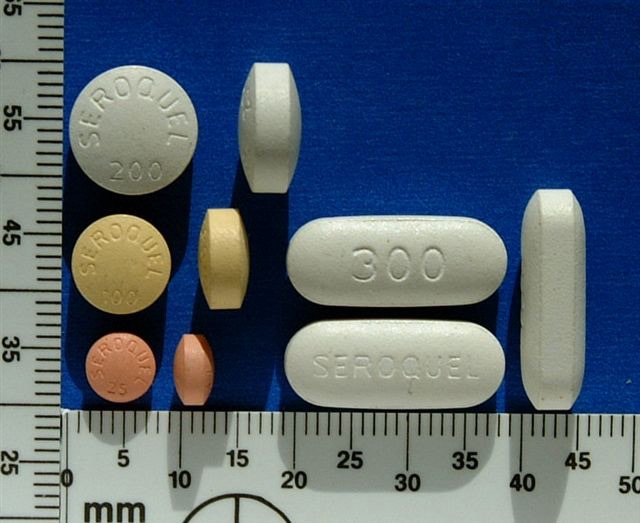
Quetiapine, commonly known by the brand name Seroquel, is an atypical antipsychotic medication. It is used to treat a variety of mental health conditions, including:
- Schizophrenia: Helps manage symptoms such as hallucinations, delusions, and thought disorders.
- Bipolar Disorder: Effective in treating manic episodes, depressive episodes, and maintenance therapy to reduce the risk of relapse.
- Major Depressive Disorder (MDD): Used as an adjunct treatment for major depressive disorder, particularly when patients do not respond adequately to antidepressants alone.
- Generalized Anxiety Disorder (GAD): Occasionally used off-label to help manage anxiety symptoms.
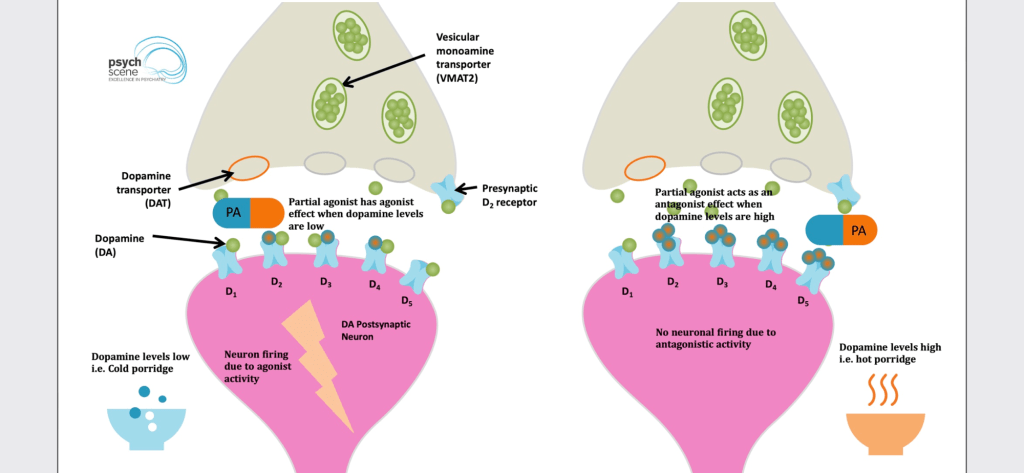
Quetiapine works by affecting various neurotransmitters in the brain, particularly serotonin and dopamine. It helps balance these chemicals, which can improve mood, thoughts, and behavior. The medication is available in immediate-release and extended-release formulations, allowing for flexible dosing schedules based on the condition being treated. Common side effects include drowsiness, dry mouth, weight gain, and dizziness. It is essential to use quetiapine under the guidance of a healthcare professional due to potential risks and the need for monitoring.
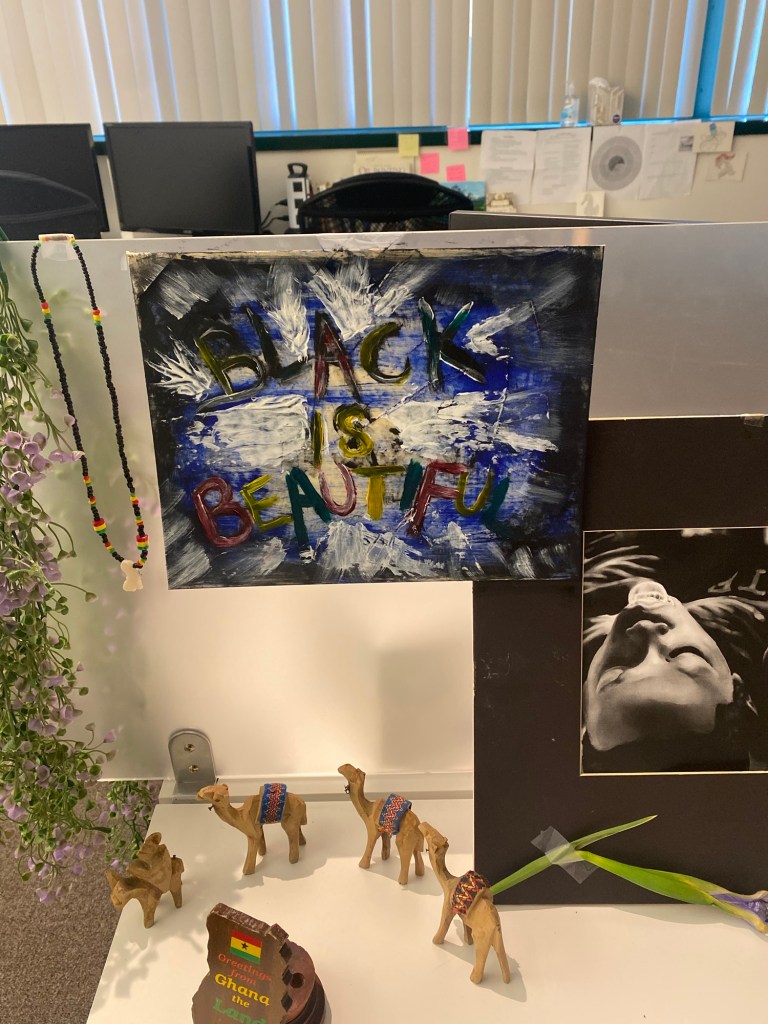
Asleep/Free is a campaign I created to underscore the importance of sleep equity. It is based on the cover image and is meant to call attention to the sleep inequalities that exist within BIPOC communities. These communities are often economically restricted to areas where noise pollution and lack of access to cool air in the summer, among other factors, makes quality sleep more difficult to come by.
What would the world look like if sleep were a luxury all could afford?

What are your thoughts? We want to know!