
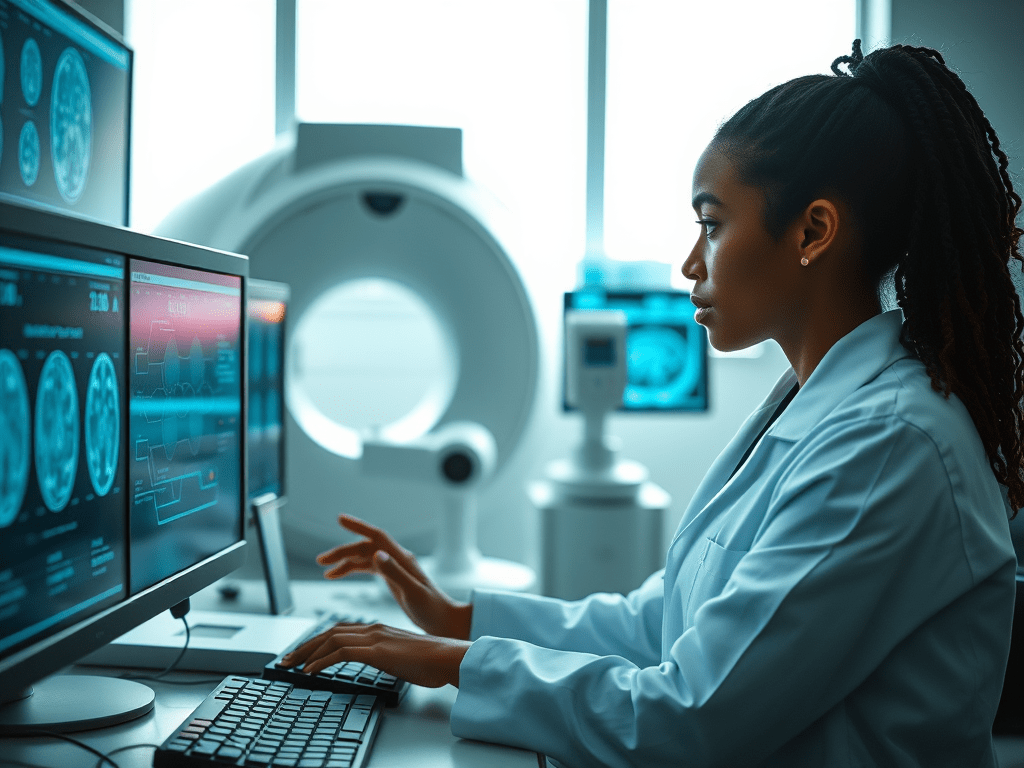
The most important invention in your lifetime is…
Science has given humanity countless groundbreaking discoveries, but for me, modern neuroscience stands as the most important invention of my lifetime. The field has revolutionized our understanding of the brain, mental health, and consciousness—topics that have profoundly shaped my life and career. My passion for neuroscience was born out of personal experience, and my journey has been deeply intertwined with the ever evolving science of the mind.
A Personal Connection to the Brain
My interest in neuroscience began at a young age, shaped by watching my mother struggle with her mental health as a result of ongoing trauma. As a child, I often wondered why the brain could sometimes work against a person, creating thoughts, emotions, and behaviors that seemed beyond control. I wanted to understand what was happening inside her mind—why she felt the way she did, why she hated me and what could be done to help.
At the time, mental health was a topic rarely discussed in my community. The stigma surrounding it made it difficult for people like my mother to seek help without fear of judgment. But even then, I believed that science held the answers. If we could unlock the brain’s secrets, we could develop better treatments, improve lives, and, most importantly, change the way society views mental illness.
The Power of Modern Neuroscience
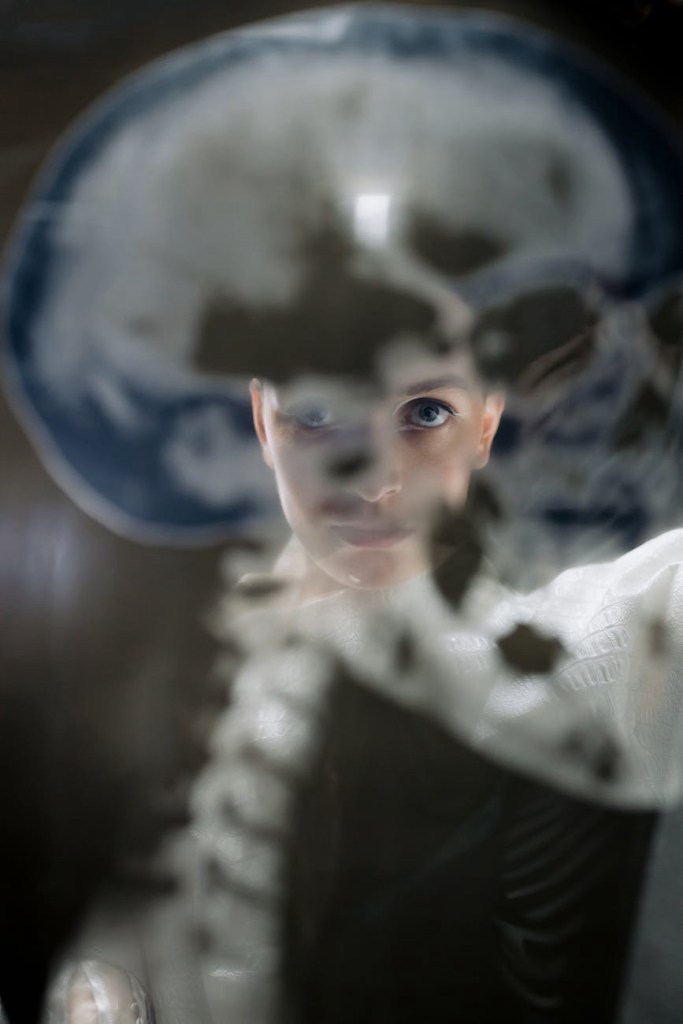
Today, neuroscience is advancing faster than ever. Technologies like functional MRI (fMRI), optogenetics, and brain-computer interfaces have allowed us to map brain activity, manipulate neural circuits, and even restore lost functions, respectively. Research into neuroplasticity has proven that the brain can rewire itself, offering new hope for people with mental illness, brain injuries, and neurodegenerative diseases.
For mental health specifically, precision psychiatry is changing the way we approach treatment. Instead of the trial-and-error method of prescribing medications, scientists are using biomarkers and genetic profiling to tailor treatments to individual patients. Breakthroughs in psychedelic-assisted therapy, deep brain stimulation, and neurofeedback are opening new doors for people who once had limited options.
Had these advancements been widely available when my mother was struggling, perhaps her journey—and mine—would have been different.
Bridging Neuroscience and Mental Health Advocacy
While my career has taken me through various scientific fields, I have never lost my passion for neuroscience. My work in cell and gene therapy, my research in neurophysiology, and my advocacy for mental health are all deeply connected. I believe that understanding the brain is key to addressing mental health crises worldwide.
As I continue my journey as a scientist and mental health advocate, I plan to make my way back to neuroscience research. Whether through studying neurodegenerative diseases, exploring new therapeutic approaches, or improving access to mental health education, my goal is to contribute to a future where brain health is prioritized and stigma is eradicated.
A Future Shaped by Neuroscience
Modern neuroscience is not just an invention—it is a revolution. It has the power to heal, to change lives, and to shift the way we view mental health. My journey, from a curious child watching my mother struggle to a neuroscientist determined to make a difference, is a testament to its impact on me and what drives me. I am excited for what the future holds and eager to be part of the next wave of discoveries that will shape the world of mental health and neuroscience.
Because for me, understanding the brain means understanding humanity itself.


What are your thoughts? We want to know!