

Do you need a break? From what?
A double entendre. A break from myself is sometimes needed. Meanwhile, I break from myself and reality everyone once in a while as well. When I drink. When I inhale, I inhale more than fumes from a mysterious concoction of chemicals. I drink to numb the ever present pain that is life. I drink to forget the cruelty that is handed out as casually as a cup of coffee. But I am no cup of coffee. Im a stone cold warrior of real life, defender of the supernatural. I’m a child of God and yet, I’m a fiend. I fiend for better things, higher mind states, more blessings. Because I am blessed, despite all the blemishes on my past.
I beg and plead for freedom from myself. The dark corners of my mind that seep into daytime thoughts. The dark corners that demand submission to substances that can be used for self medication.
I want a clear, cognizant break from my reality. For my reality is no more. It’s a broken home with no hope on the inside. It’s a broken career, decimated by vicious breaks from what is real. I take everything as it is. Inhale deeply, and exhale the fumes; the lies; the secrets I try to keep from myself. No more..
I am free

A Break from Myself: Addiction, Mental Health, and the Journey to Healing
There was a time when I felt like I was living outside of myself—disconnected, drowning in a version of me that I neither recognized nor controlled. Addiction has a way of doing that. It creeps in subtly, often disguising itself as relief, as routine, as something manageable. Until one day, it isn’t.
I initially wrote A Break from Myself as a reflection on that period—a time when I was numbing emotions I didn’t know how to process, filling empty spaces with something that made reality blur at the edges. It wasn’t just about the substance or the habit; it was about escape. But escaping from pain doesn’t mean healing it. It took time for me to understand that breaking away from addiction wasn’t just about stopping a behavior—it was about reclaiming myself.
The Neuroscience of Addiction: Why Willpower Isn’t Enough

As a neuroscientist, I now understand addiction differently than I did when I was experiencing it firsthand. Addiction isn’t just a moral failing or a lack of discipline—it is a rewiring of the brain’s reward system. When we repeatedly turn to substances or behaviors for relief, the brain learns to crave them. Dopamine, the neurotransmitter responsible for motivation and pleasure, becomes hijacked, reinforcing the cycle. Over time, the brain adapts, and what once felt like a source of pleasure becomes a necessity just to feel normal.
This is why addiction is so difficult to overcome. It isn’t just about making a choice to stop—it’s about reshaping the brain, unlearning patterns, and finding healthier ways to regulate emotions. Understanding the science behind my struggles helped me forgive myself. It made me realize that recovery isn’t just about willpower; it’s about treatment, support, and self-compassion.
Mental Health and Addiction: The Need for Open Conversations

One of the hardest parts of my journey was feeling like I had to hide my struggle. There is so much stigma surrounding addiction, especially in BIPOC communities, where mental health struggles are often minimized or met with silence and thought of as a moral failing. Admitting I needed help felt like admitting weakness when normally I was known for my resilience and strength. But that silence—both my own and the silence of those around me—only deepened my struggle.
Mental health and addiction are deeply intertwined. Many people, like myself, don’t turn to substances simply for pleasure; they turn to them to cope with trauma, anxiety, depression, or pain that feels unbearable. That’s why mental health advocacy is so crucial. We need to talk about addiction not as a failing, but as a symptom of deeper struggles that deserve care and attention.
I write about mental health because I want others to know they are not alone. I want people who feel trapped in addiction to know that their pain is valid, that healing is possible, and that reaching out for help is not a sign of weakness but of strength.
The Path to Healing: What Helps Me With Recovery

Recovery is not linear. It is messy, frustrating, and full of setbacks. But it is also full of moments of clarity and growth. For me, healing means:
• Therapy and Self-Reflection – I had to face the emotions I had been avoiding. Therapy gives me tools to process pain in healthier ways.
• Understanding the Science – Learning about addiction’s effects on the brain helped me approach my recovery with self-compassion.
• Community and Support – Healing does not happen in isolation. Finding safe spaces where I could be honest about my struggles made all the difference. I found communities of color willing to have these difficult conversations, knowing my share wasn’t odd or weird.
• Redefining Pleasure and Coping – I had to find new ways to experience joy, whether through creativity, mindfulness, or meaningful relationships.
I won’t pretend that healing is easy or that I never feel the pull of old habits. But every time I choose to face my emotions instead of numbing them, I am reclaiming parts of myself that I had thought were lost to my trauma
Moving Forward: Breaking the Stigma and Advocating for Change
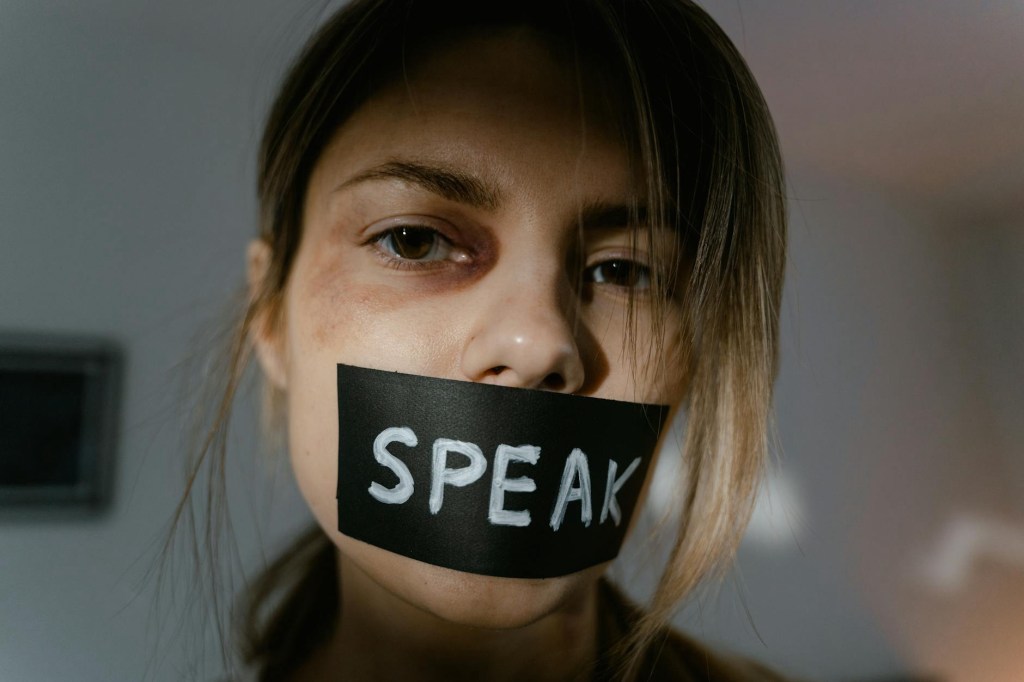
Addiction is not a life sentence. It is not a label that defines a person’s worth. It is a challenge, a struggle, but also an opportunity for transformation. I share my story because I want to help dismantle the shame surrounding addiction. I want people to know that healing is possible, that mental health matters, and that asking for help is one of the bravest things you can do.
If you are struggling, know this: You are not broken. You are not beyond help. You are not alone. The first step toward healing is the hardest, but it is also the most powerful. I took a break from myself to survive. Now, I fight to stay present—to stay here, in this moment, fully alive.
And that is a kind of freedom I never thought I’d find.

What are your thoughts? We want to know!